














The intricate world of royal engagements often plays out with meticulous precision, each attendance and absence scrutinized by global onlookers. Recently, the British royal family hosted their annual diplomatic reception, an event steeped in tradition and significant for fostering international relations. However, it wasn’t just the change in venue that captured public attention; the notable absence of Her Royal Highness, the Princess of Wales, Kate Middleton, sparked considerable discussion among royal observers and media alike. This high-profile event, usually a staple in the royal calendar for the Princess, proceeded without one of its most prominent figures, prompting questions about her schedule and the delicate balance of royal duties.
A Royal Gathering with a Key Figure Missing
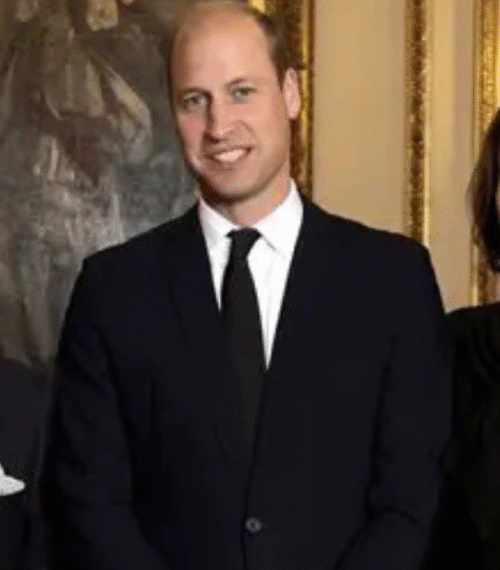
On November 18, the royal family convened for their esteemed annual diplomatic reception, an occasion dedicated to celebrating the Diplomatic Corps in London. This formal gathering brings together numerous diplomatic representatives from around the globe, underscoring the United Kingdom’s commitment to international cooperation and diplomacy. Typically a grand affair, this year’s reception saw King Charles III and Queen Camilla graciously host the proceedings, flanked by Prince William, the Prince of Wales.
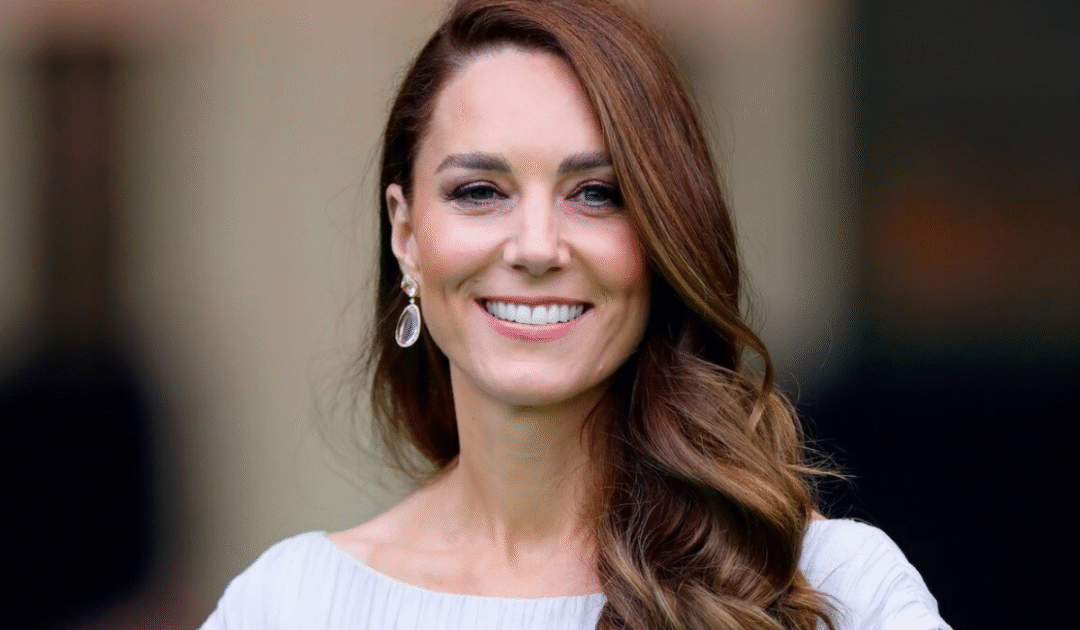
However, the guest list featured an unexpected omission: Kate Middleton, the Princess of Wales, was conspicuously absent. Buckingham Palace issued a statement confirming that the King, Queen, and Prince of Wales were hosting the reception for members of the Diplomatic Corps at Windsor Castle. While official communications typically focus on those in attendance, the lack of the Princess of Wales at such a significant event rarely goes unnoticed by the public and royal commentators.
This annual celebration serves as a vital cornerstone of the monarchy’s engagement with the international community, providing a platform for informal yet impactful interactions. The presence of senior royals is paramount, symbolizing the crown’s dedication to its global role. Thus, Kate Middleton’s absence, particularly from an event she has attended consistently in previous years, naturally became a focal point for those following royal activities closely.
The Grandeur of a Diplomatic Affair and a Significant Venue Shift
The diplomatic reception is renowned not only for its political significance but also for its dazzling display of royal pomp and ceremony. Attendees, including numerous diplomatic representatives from across the world, are expected to don their finest evening wear, creating an atmosphere of unparalleled elegance. A particular highlight for many royal watchers is the sight of the royal women adorned in their most exquisite tiaras, jewels, and regalia, embodying centuries of tradition and heritage.
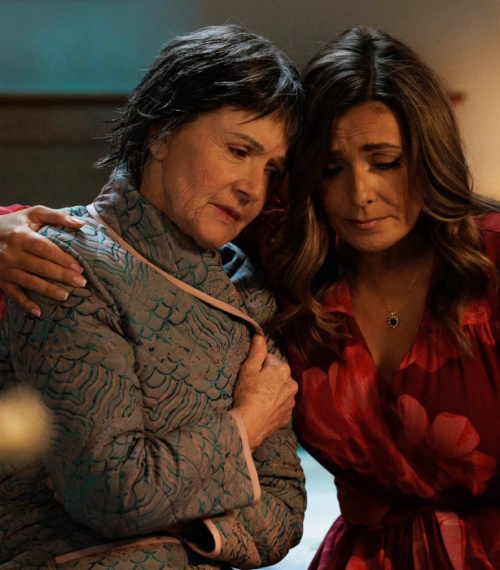
Queen Camilla, for instance, made a striking impression, wearing the magnificent Greville Emerald Kokoshnik tiara. This historical piece, notable for its stunning emeralds, was originally crafted by Boucheron for society hostess Margaret Greville. It gained modern prominence when Princess Eugenie famously wore it on her wedding day. The tiara’s presence on Queen Camilla underscored the grandeur and historical depth of the occasion, adding a layer of visual splendor to the diplomatic proceedings.
[IMG1]
Adding another layer of interest to this year’s event was a significant change in its traditional location. Historically, the diplomatic reception has almost exclusively been held at the iconic Buckingham Palace, the monarch’s principal residence. However, for the first time since 2001, the distinguished gathering took place within the historic walls of Windsor Castle. This shift offered a rare glimpse into the adaptability of royal protocols and the evolving circumstances governing these time-honored events.
The decision to host the reception at Windsor Castle was primarily due to ongoing renovation work at Buckingham Palace. These extensive refurbishments aim to modernize the palace’s infrastructure, ensuring its longevity as both a working royal residence and a national landmark. While temporary, the relocation of such a high-profile event to Windsor Castle highlights its capability as an alternative royal venue, further cementing its role in supporting the monarchy’s extensive calendar of duties and engagements.
Decoding the Princess of Wales’s Absence: A Day of Royal Engagements
In the aftermath of the reception, Kensington Palace did not immediately provide a specific reason for Kate Middleton’s absence. However, details of her schedule earlier in the day shed light on her prior commitments. The Princess of Wales spent over two hours attending a crucial summit in London, focused on her pioneering work in the early years development sector. During this significant engagement, she delivered her first public speech in two years, a testament to her profound dedication to this critical area of her royal duties.
The Princess’s long-standing commitment to early childhood development has become a cornerstone of her public work, making her presence at such a summit both expected and impactful. Her speech underscored the importance of nurturing children’s development from an early age, advocating for policies and initiatives that support families and communities. This engagement, while vital, created a scheduling conflict with the evening diplomatic reception, illustrating the complex demands placed upon senior members of the Royal Family.
Kate Middleton has a well-established history with the diplomatic reception, having made her debut at the event in 2013. Since then, she has consistently attended, marking her presence each year from 2015 to 2019. Her attendance in 2022 and 2023 also highlights her usual commitment to this important gathering. Instances of her missing the event are rare; for example, in 2014, both the Prince and Princess of Wales were absent due to an official visit to New York. The reception also did not take place in 2020 and 2021 due to the global COVID-19 pandemic, further emphasizing the significance of her personal absence from a routinely attended event.
The Broader Implications of Royal Protocol and Presence
The annual diplomatic reception is far more than a mere social gathering; it is a critical instrument of British soft power and international diplomacy. By hosting representatives from nations across the globe, the monarchy plays a unique role in fostering goodwill, strengthening alliances, and facilitating dialogue. The presence of senior royals at such events sends a clear message of engagement and commitment from the United Kingdom to the international community.
Each royal’s attendance contributes to the overall image and effectiveness of these diplomatic efforts. Their interactions, even brief ones, can reinforce relationships and project a sense of stability and continuity. Therefore, any deviation from expected attendance, especially from a figure as prominent and globally recognized as the Princess of Wales, becomes a subject of public and media interest, inviting speculation about royal priorities and the evolving nature of their public roles.
Balancing high-profile ceremonial duties with dedicated patronages and personal projects is a constant challenge for working royals. The Princess of Wales’s decision to prioritize her early years summit earlier in the day speaks volumes about her commitment to her chosen causes, demonstrating that her engagements are often strategically planned to maximize impact in areas she passionately supports. This delicate balancing act is a defining characteristic of modern monarchy, adapting to contemporary expectations while upholding centuries of tradition.
[IMG2]
What This Means for Royal Watchers and the Monarchy’s Evolving Role
The interest surrounding Kate Middleton’s absence from the diplomatic reception underscores the enduring fascination with the British Royal Family and their public life. Every appearance, every engagement, and indeed, every absence, is carefully observed and interpreted by a global audience. For royal watchers, these events offer insights into the lives and priorities of a family that remains a powerful symbol on the world stage.
The Princess of Wales’s deep involvement in her early years work illustrates a strategic focus on long-term societal impact, distinguishing her from purely ceremonial duties. While diplomatic receptions are undeniably important, her dedication to championing causes like early childhood development demonstrates a modern approach to royal philanthropy and influence. This approach allows her to carve out a distinct identity within the monarchy, focusing on areas where she feels she can make a significant and lasting difference.
Ultimately, such events, with their mix of grandeur, tradition, and subtle narratives of presence or absence, continue to highlight the dynamic nature of the modern monarchy. They reflect an institution that strives to maintain its historical relevance while adapting to the demands and expectations of the 21st century. The public’s keen interest in these details is a testament to the continued global significance of the British Royal Family and their evolving role in national and international affairs.