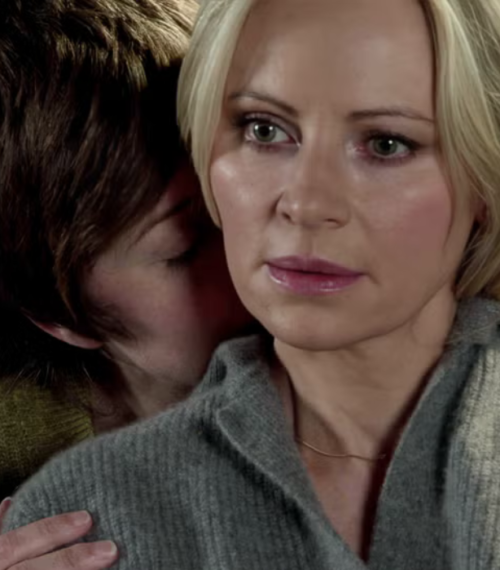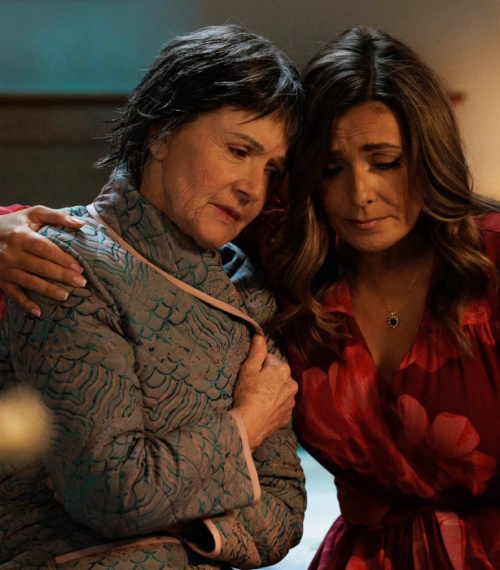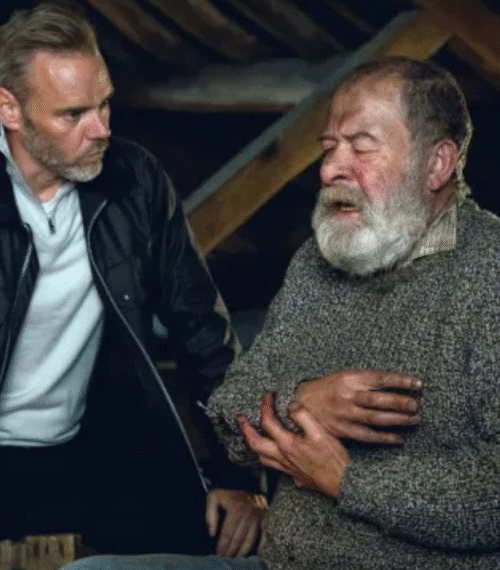













The dramatic landscape of The Bold and the Beautiful has once again shifted, drawing viewers into a deep family conflict that exposes raw emotions and contentious pasts. Following the tragic events of November 2025, which saw the demise of Luna Nozawa, the fallout has ignited a bitter dispute between sisters Li Finnegan and Poppy Nozawa. At the heart of this confrontation is Poppy’s controversial refusal to mourn her daughter, a stance that Li vehemently condemns, casting accusations of failed parenting. However, devoted fans of the long-running soap opera are quick to highlight Li’s own checkered history, citing her profound deceptions and questioning her moral authority to judge. This unfolding saga forces characters and audiences alike to confront complex questions about accountability, nature versus nurture, and the true meaning of maternal love.
The Unfolding Drama: Li Finnegan’s Accusations and Poppy’s Unyielding Stance
The aftermath of Luna Nozawa’s death has ripped open a deeply personal and public chasm within the Finnegan-Nozawa family, captivating audiences with every tense exchange. Poppy Nozawa has firmly asserted her position in recent episodes, making it unequivocally clear that she will not engage in a performative display of grief for a daughter whose actions were undeniably monstrous. Luna’s heinous crimes included the murders of Tom and Hollis, multiple counts of sexual assault, and the cold-blooded framing of her own mother – all executed without a shred of remorse. Many viewers applaud Poppy’s unyielding honesty, finding her refusal to conform to societal expectations of mourning to be a refreshing, if painful, display of integrity.
The Aftermath of Luna’s Atrocities
Luna Nozawa’s descent into villainy left a trail of destruction and heartbreak, irrevocably altering the lives of several key characters. The senseless murders of Tom and Hollis not only shocked the community but also underscored the depths of Luna’s depravity. Her subsequent acts of sexual assault further cemented her status as a truly unredeemable character in the eyes of many. The final, cruel twist – framing her own mother, Poppy, for her crimes – was a calculated betrayal that pushed Poppy to her emotional limits. These events paint a picture of a character driven by malice and a complete lack of empathy, leaving little room for conventional sympathy.
Li Finnegan’s Judgment: A Shocking Display
Despite the undeniable gravity of Luna’s transgressions, Li Finnegan stands aghast, openly criticizing Poppy’s apparent lack of tears and outward sorrow. Li’s judgmental stance strikes many as audacious, given her own storied past of profound deception. This is the same woman who famously concealed her son Finn Finnegan’s survival from his grieving wife, Steffy Forrester, and indeed his entire family, allowing them to believe he was dead. She masterfully manipulated the truth, playing God with Finn’s life during his recovery. For Li to now lecture Poppy on parental responsibility and emotional transparency is, for many, an astounding display of hypocrisy. Her audacity in this situation is absolutely staggering.
Finn Finnegan, caught in the unenviable position of mediator, attempts to rationalize Luna’s horrific actions by attributing them to “the way she was raised.” This argument, however, fails to resonate with a significant portion of the fanbase. Many recall Luna’s initial arrival in Los Angeles, where she spoke of Poppy with nothing but reverence and affection. Her early narratives portrayed a loving mother-daughter bond, suggesting a positive upbringing. The sudden emergence of a “terrible childhood” narrative feels like a convenient revision of history, designed to deflect from a much harder truth: some individuals are inherently predisposed to dark impulses, irrespective of their early environment.
Fan Outcry: The Resounding Call Against Li’s Glaring Hypocrisy
The Bold and the Beautiful’s devoted audience has been quick to voice its strong opinions, inundating social media platforms with criticisms of Li Finnegan’s moral grandstanding. Viewers are overwhelmingly united in “dragging her through the mud,” to use a common phrase, refusing to let her deceptive past be forgotten. One particularly incisive comment encapsulated the sentiment perfectly: “Li can get stuffed. Poppy took care of her for all her life and there is zero proof she was a bad mother.” This sentiment highlights a crucial point: Li’s accusations lack tangible evidence and appear rooted more in personal animosity than objective observation.
A History of Deception: Unpacking Li’s Own Sins
Fans are unequivocally correct in their assessment. Where is the substantive evidence to support Li’s scathing critiques of Poppy’s parenting? Li frequently implies that Poppy was perpetually “three sheets to the wind,” suggesting a constant state of intoxication or irresponsibility. Yet, the reality portrayed on screen often shows Poppy engaging in occasional, recreational use of substances like mushrooms, a far cry from the debilitating addiction Li implies. Crucially, these minor indiscretions pale in comparison to Li’s monumental deceptions. If we are to quantitatively rank parental failures, concealing your son’s survival from his grieving wife and family, allowing them to endure unimaginable pain while you privately nursed him back to health, undeniably ranks as an unforgivable act of betrayal. This calculated cruelty far outweighs any alleged “bad parenting” from Poppy.
The “Body Snatcher” Moniker Revisited
The nickname “Body Snatcher,” earned by Li during her infamous period of hiding Finn, resurfaces in fan discussions, serving as a stark reminder of her capacity for manipulation and deceit. This past behavior makes her current condemnations of Poppy ring hollow and deeply hypocritical. Furthermore, fans offer another compelling counter-argument to Li’s “gold-digging, irresponsible mother” narrative. If Poppy truly fit this description, why did she actively flee from Bill Spencer upon discovering her pregnancy? She possessed a clear opportunity to “trap” a wealthy man, secure her financial future, and provide Luna with a life of luxury. Instead, Poppy chose a different path. She independently raised Luna, worked diligently, and ensured her daughter had opportunities, demonstrating a profound sense of maternal responsibility that belies Li’s accusations. The insinuation that Poppy was a negligent or self-serving mother simply does not withstand scrutiny.
Dissecting the “Bad Mother” Narrative: Why Poppy’s Truth Resonates
The audience’s unwavering support for Poppy’s raw honesty is palpable. One particularly resonant fan comment articulated the collective exasperation: “Poppy should have told her to shut her fly trap because she was the one who lied in the first place about the girl being dead.” This statement perfectly encapsulates the prevailing sentiment: Li Finnegan possesses absolutely no moral high ground in this contentious family debate. Her past actions have disqualified her from lecturing others on truth, integrity, or proper conduct, especially concerning parental duties.
Challenging Finn’s Mediation Attempts and Li’s Blindness
Luna committed unspeakable acts, taking innocent lives, framing her own mother, and exhibiting not an ounce of contrition. What exactly is Poppy expected to mourn? The daughter who actively sought to destroy her life? The young woman who perpetrated cold-blooded murder? Poppy’s refusal to perform a socially expected display of grief for the cameras stands out as one of the most authentically honest reactions seen on The Bold and the Beautiful in a long time. She is not creating facile excuses for Luna’s behavior. She is not shoulderimg unwarranted blame for her daughter’s choices. Instead, Poppy courageously acknowledges a grim, inescapable reality: Luna was a deeply disturbed individual, a monster whose violent trajectory showed no signs of abating. Li, however, remains stubbornly blind to this reality, clinging to a narrative that absolves Luna of true personal agency.
The Reality of Luna’s Upbringing: Beyond Nurture vs. Nature
The core of Finn and Li’s “nurture over nature” argument rests on a precarious foundation of speculation, largely due to the scarcity of concrete information regarding Luna’s early life. Viewers are repeatedly asking, “What exactly was so terrible about Luna’s childhood and her upbringing that could justify such depravity?” From all available evidence presented on the show, Poppy, though unconventional, consistently demonstrated herself to be a loving and dedicated mother. Luna did not grow up in conditions of abject poverty, nor was she subjected to abuse or neglect. On the contrary, she was afforded opportunities and surrounded by individuals who genuinely cared for her well-being. Luna’s actions—the decisions to murder Tom and Hollis, to frame Poppy, to commit sexual assault—were not the desperate reactions of someone molded by a tragic or difficult childhood. They were, rather, the calculated, deliberate choices of an individual who was fundamentally broken, operating under their own twisted moral compass.
What This Means Moving Forward
The intense confrontation between Li and Poppy, fueled by Luna’s tragic legacy, delves into the uncomfortable truths of parental responsibility, personal accountability, and the complexities of human nature. This storyline challenges viewers to consider whether a difficult upbringing can truly excuse heinous crimes, or if some individuals are simply predisposed to darkness regardless of their environment. Li’s persistent judgment of Poppy, juxtaposed against her own significant past misdeeds, highlights the pervasive hypocrisy that often permeates the dramatic world of daytime television, but also reflects real-world tendencies to deflect blame. As the narrative continues to unfold, the audience remains firmly on Poppy’s side, respecting her brutal honesty and her refusal to mourn a daughter who chose a path of destruction. This saga promises to further explore the profound impact of past traumas, the limits of forgiveness, and the enduring strength required to face uncomfortable truths, leaving the audience to ponder the true nature of good and evil within even the closest family bonds.