















The Weight of the Penultimate Chapter
The road to the finale of Stranger Things has been paved with unprecedented ambition and, at times, narrative congestion. When Volume 1 of the fifth season dropped, the consensus among critics and fans alike was that the Duffer Brothers had perhaps bitten off more than even a feature-length runtime could chew. The sheer density of the plot, the sprawling cast, and the introduction of new mysteries so late in the game threatened to capsize the USS Netflix. It was reasonable to worry that the final stretch would collapse under its own weight.

However, Stranger Things Season 5 Volume 2 serves as a reassuring, albeit imperfect, course correction. While the previous batch of episodes felt like they were drowning in setup, this new collection manages to tread water before eventually learning to swim with the grace of an Olympian. It is not a flawless run of television; it suffers from a sluggish opening and a subplot that feels like a detour into frustration. Yet, when the dust settles, these episodes succeed where it matters most: the heart.
This batch of episodes proves that despite the monsters, the government conspiracies, and the interdimensional rifts, the show's greatest special effect remains the chemistry of its cast. By prioritizing character arcs and emotional payoffs over mystery box mechanics, Volume 2 sets the stage for a finale that feels earned, moving, and inextricably tied to the show's core identity.
The Return of The Lost Sister
One cannot discuss Volume 2 without addressing the elephant in the room, or rather, the illusionist in the narrative. The series makes the bold and somewhat baffling choice to reintegrate Kali, also known as Eight, into the central fold. For those with long memories, Kali was the focal point of the divisive Season 2 episode "The Lost Sister," a standalone diversion that remains one of the lowest-rated entries in the show's history. Bringing her back for the endgame is a gamble that yields mixed results.

The first of this three-episode batch, Chapter 5, spends an exorbitant amount of time reacquainting the audience with Kali.
For a show racing against the doomsday clock, the detour feels jarring. The criticism here is not that Kali's presence is pointless, but rather that it is tedious. In a season where every second of screen time is precious real estate, dedicating significant chunks of the runtime to a character who has been absent for three seasons feels like a misallocation of resources. It creates a pacing bottleneck right out of the gate, slowing the momentum that Volume 1 fought so hard to build.
There are narrative justifications for her return, specifically regarding the lore of the Hawkins lab and Eleven's past. One plot thread involving Kali serves a genuinely interesting purpose, adding a wrinkle to the impending finale that promises a massive emotional payoff. It suggests that the Duffer Brothers are playing a long game, attempting to retroactively justify the existence of "The Lost Sister" within the wider canon. However, in the moment-to-moment viewing experience, these scenes drag. As one critic noted, it feels like a classic case of a secondary character keeping the audience from the "fireworks factory."
Juggling the Ensemble and The Military Subplot
Beyond the specific issue of Kali, Volume 2 highlights the ongoing struggle of managing a cast that has ballooned to over a dozen main characters. The narrative juggling act is precarious. While the core group remains compelling, the peripheral elements continue to clutter the board. Specifically, the military subplot remains the show's least engaging element. The insistence on keeping the military involved as a primary antagonist force feels like a holdover from 1980s tropes that the show has otherwise transcended.
The military faction, seemingly incapable of learning from past mistakes, continues to cause problems that feel repetitive rather than escalating. They serve as an obstacle for the sake of having an obstacle, rather than a thematic foil to the heroes. While these scenes provide necessary exposition and raise the stakes, they often feel like homework the audience must complete before being allowed to return to the characters they actually care about.
It felt like a lot to deal with without many episodes of Stranger Things left to do exactly that.
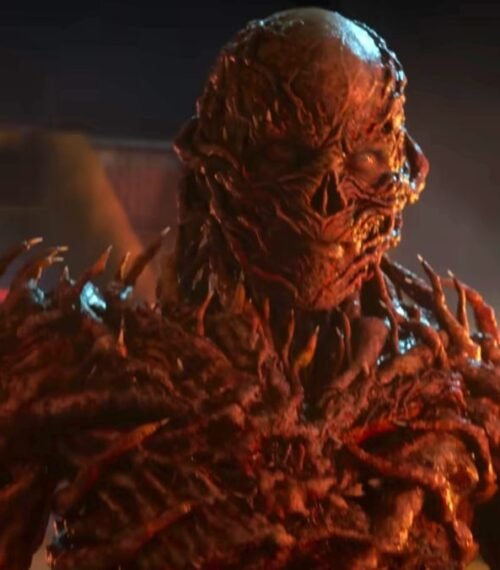
Despite this bloat, the show manages to provide answers that have been teased since the very beginning. We finally get clarity on the nature of the Upside Down and Vecna's true role within it. Unlike the vague mysteries of previous seasons, Volume 2 is generous with its information. It respects the audience's patience, offering concrete explanations for the metaphysics of this universe. While some of these answers feel like solutions to questions nobody was asking, the clarity is refreshing as we head toward the end.
Chapter 6: A Series High Point
If Chapter 5 is the stumble, Chapter 6 is the recovery and the sprint. It is here that Stranger Things reminds the world why it became a cultural phenomenon. The episode is a masterclass in emotional storytelling, delivering what might be the single best episode in the show's history. It is a stark contrast to the exposition-heavy opening, focusing entirely on the raw, beating heart of the characters.
The performances in Chapter 6 are nothing short of phenomenal.
After years of battling CGI monsters, the cast is given the space to simply be human, and the result is devastatingly effective. There are moments in this episode that are genuinely heartbreaking, scenes where characters strip away their defenses and reveal their fears, loves, and regrets. This is the payoff for nine years of investment. It is the kind of storytelling that is only possible with a long-running series, where the audience has watched the actors grow up alongside their counterparts.
The episode functions as an emotional crescendo. If the finale is destined to be an action-heavy spectacle, Chapter 6 ensures that the battles to come have weight. We are not just rooting for the survival of the world; we are rooting for the survival of these specific, broken, beautiful people. It captures the essence of what makes the show work: the bond between the outcasts.
Setting the Stage for the End
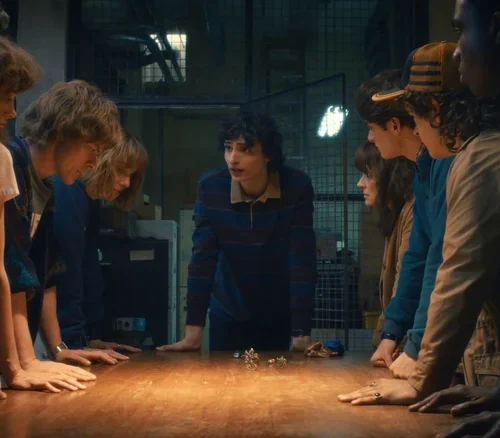
Following the emotional peaks of Chapter 6, the penultimate episode, Chapter 7, settles into the role of the strategic setter. It is less visceral but no less important. This is the episode that moves the chess pieces into their final positions. It avoids the trap of being heavy-handed or condescending, trusting the audience to follow the complex mechanics of the plan to defeat Vecna.

Chapter 7 deftly explains the stakes. It outlines how both the heroes and the villains plan to win, ensuring that when the final battle begins, the viewer understands exactly what is happening. There is no confusion, only anticipation. It manages to balance the delivery of high-level plot mechanics without neglecting the character arcs that were deepened in the previous hour. It is a smart, effective bridge to the finale.
Ultimately, Stranger Things Season 5 Volume 2 is a triumph of character over plot. It overcomes early stumbling blocks and questionable narrative detours to deliver a deeply satisfying experience. It pulls the disparate threads of the series together, weaving them into a tapestry that feels unified and complete. As we look toward the final episode, the pieces are in place. The mysteries are solved, the stakes are clear, and our hearts are fully engaged. The Duffer Brothers have set the stage for a legendary conclusion.