














A recent broadcast by the BBC plunged royal news into a surprising wave of confusion and debate. During live coverage of a significant national event, the esteemed network referred to a prominent member of the British royal family as ‘Kate Middleton’ rather than her official, established title: the Princess of Wales. This seemingly minor linguistic choice ignited a swift and vocal reaction from viewers, reopening a broader discussion about her name’s usage across different regions, particularly the persistent preference for ‘Kate Middleton’ in American public discourse. The immediate aftermath saw royal watchers question the BBC’s editorial decision, sparking conversations across various platforms about accuracy, tradition, and public familiarity.
[IMG1]
The Immediate Fallout: BBC’s Royal Title Misstep on Live Broadcast
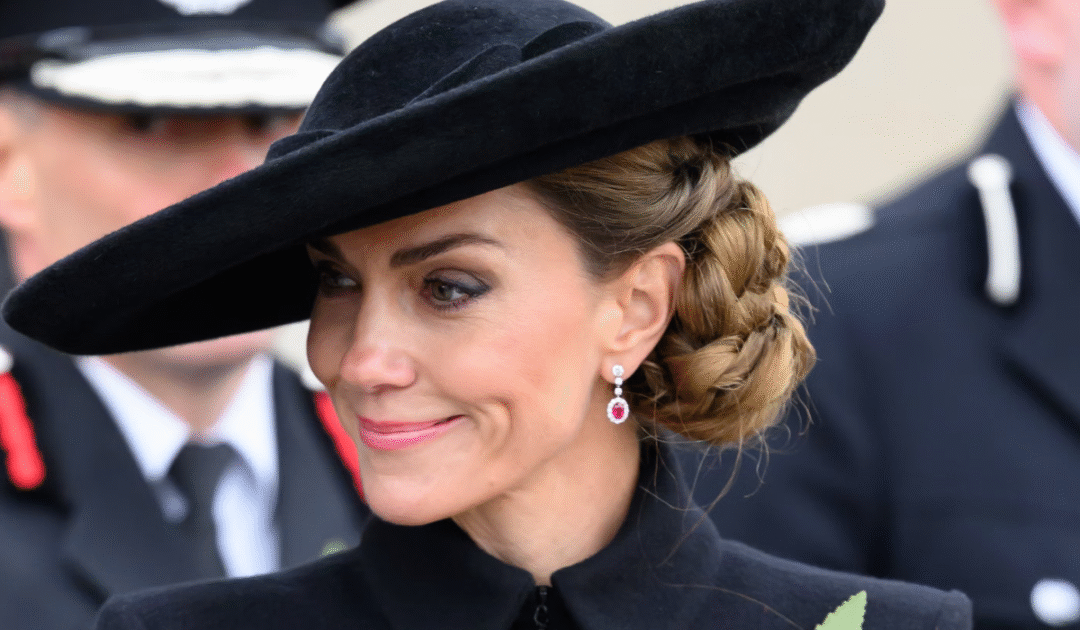
The British Broadcasting Corporation found itself under intense scrutiny following its use of ‘Kate Middleton’ during live coverage of a major commemorative event. The presenter’s choice to omit the Princess of Wales’s correct title was quickly flagged by vigilant royal enthusiasts. These dedicated followers of the monarchy are known for their meticulous attention to protocol and proper titling, making the oversight particularly glaring in their eyes.
It is crucial to remember that Catherine officially received the title ‘Princess of Wales’ in 2022, a significant moment coinciding with King Charles III’s ascension to the throne. Major news organizations are generally expected to adhere strictly to these established royal protocols, ensuring the correct title is used without exception. The public reaction to the BBC’s broadcast was overwhelmingly negative, with many viewers deeming the informal address incorrect and disrespectful. The sheer volume of critical responses underscored the public’s deep-seated respect for royal titles, especially during events of national importance like Armistice Day.
In response to the growing wave of criticism, the network swiftly took corrective action. An initial headline, which read ‘Kate and Queen lay Armistice Day wreaths as the nation pays tribute,’ was updated. The revised headline accurately reflected the Princess’s official name, changing it to ‘Catherine, and the Queen laid Armistice Day wreaths as the nation paid tribute.’ This quick amendment, while addressing the immediate error, did little to quell the initial backlash or the broader discussions it had triggered about media responsibility and royal etiquette.
Public Familiarity Versus Official Protocol: A Persistent Tension
Despite the BBC’s correction and the general expectation for formal address, the debate highlighted a fascinating tension between official protocol and widespread public familiarity. Many critics of the BBC’s lapse emphasized the importance of adhering to royal titles, viewing any deviation as a sign of disrespect or a lack of attention to detail. For those who closely follow the monarchy, titles are not merely honorifics but integral parts of the institution’s structure and tradition.
However, an opposing viewpoint suggests that the enduring use of ‘Kate Middleton’ stems from deep-rooted public habit and affection. Before her elevation to Princess of Wales, she was widely known and adored by her maiden name for many years, dating back to her engagement to Prince William. This long history has embedded the name ‘Kate Middleton’ firmly in the public consciousness, making it a familiar and often preferred reference. Even on social media platforms, where formal rules often yield to informal interactions, ‘Kate Middleton’ remains a prevalent search term and identifier, regardless of users being aware of her updated official role. Such habits, cultivated over more than a decade, are not easily discarded and naturally require a significant period of adjustment for both the public and, evidently, some media outlets.
Why Americans Still Prefer ‘Kate Middleton’ Over Princess of Wales
The phenomenon of referring to Catherine as ‘Kate Middleton’ is particularly pronounced and culturally distinct in the United States, a point that has frequently re-emerged in discussions surrounding royal news. Boston University professor Arianne Chernock, a historian specializing in the British monarchy, provided insightful context into this American preference during a past interview. She explained that the name ‘Kate Middleton’ inadvertently served to the Princess’s advantage during her early years in the public eye. It fostered a tangible connection to her middle-class origins, allowing fans, especially in the US, to feel a deeper sense of relatability and closeness to her. Many who have followed her journey from the very beginning, witnessing her transformation from commoner to future Queen, intrinsically prefer the more informal ‘Kate’ as a token of that long-standing connection.
Professor Chernock further elaborated that the United States, by its very nature and historical context, does not share the same profound sense of formality or deference often associated with the British monarchy. Americans, she noted, generally do not feel the same societal pressure to use precise, exact titles for royals. They are not burdened by centuries of monarchical traditions in the same way their British counterparts might be. Consequently, the informal name ‘Kate’ continues to hold significant cultural influence and familiarity within the American lexicon, transcending the official protocols that govern the British press and public.
Despite this broader cultural inclination, major news networks in the United States, much like their British counterparts, frequently face considerable pressure to adhere to every detail of royal protocol. This creates an interesting dynamic where media organizations must balance public familiarity with the demands of accurate reporting and respect for official titles. The continued use of ‘Kate Middleton’ in common parlance, even as news outlets strive for accuracy, underscores the powerful interplay between personal identity, public perception, and institutional formality within the modern royal narrative.
[IMG2]
Navigating the Nuances of Royal Identity in the Modern Age
The recent incident with the BBC’s broadcast and the ongoing discussion about Catherine’s name usage offer more than just a passing controversy; they provide a fascinating glimpse into the evolving relationship between the public, the media, and the British monarchy in the 21st century. It highlights the complex interplay between tradition and modernity, formal protocol and casual familiarity. As the Princess of Wales continues her influential role, the choice of how she is addressed reflects not only adherence to royal standards but also the deep-seated perceptions and affections of a global audience. The persistent use of ‘Kate Middleton’ in some spheres, particularly across the Atlantic, serves as a poignant reminder of her unique journey from everyday individual to a pivotal figure within one of the world’s most enduring institutions. This dynamic negotiation of identity and address will undoubtedly continue to shape how the public engages with the future of the monarchy.