













The Year Erin Doherty Took Over Television
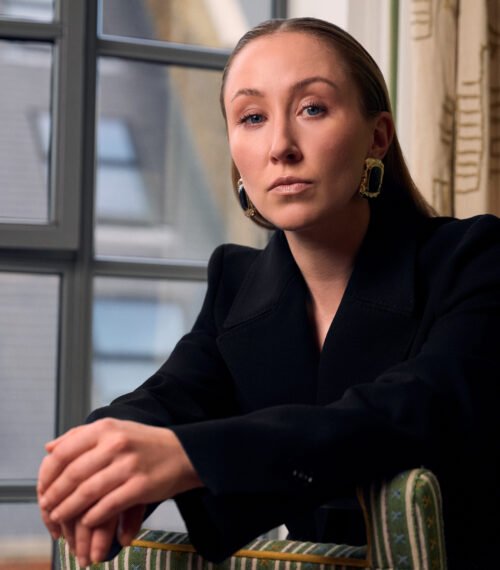
If 2025 belongs to anyone in the landscape of British television, it is undeniably Erin Doherty. While audiences first fell in love with her scene-stealing portrayal of Princess Anne in The Crown, this year marked a significant shift in her trajectory, moving her from a standout supporting player to a leading force in the industry. With a resume that now includes a gritty Victorian crime drama and a socially conscious viral hit, Doherty has proven she is one of the most versatile actors working today.
Her recent success is headlined by Netflix's Adolescence, a four-part drama that became an unexpected cultural phenomenon. The series, which tackles the harrowing topic of online radicalization among teenage boys, garnered nearly 150 million views since its release in March. It sparked conversations in secondary schools and even led to invitations to Downing Street for the creative team. However, in a recent interview, Doherty revealed that she almost missed out on the project entirely due to a humorous, if relatable, personal quirk.
Doherty admits she is a "technophobe" who inadvertently ignored calls from producer Stephen Graham.
The actress had previously worked with Graham on the Disney+ series A Thousand Blows. Following that production, Graham and his wife, producing partner Hannah Walters, attempted to contact Doherty for the role of Briony Ariston in Adolescence. "I'm just really bad at my phone," Doherty explained. "I was getting voice notes from him and Hannah being like, 'Erin, pick up your phone!'" It wasn't until her girlfriend intervened that Doherty finally connected with Graham, accepting the role on the spot without even reading the script.
Deconstructing the One-Take Format
One of the defining features of Adolescence is its bold stylistic choice: every episode was shot in a single continuous take. This technique is notoriously difficult, requiring a level of preparation and discipline more akin to live theater than traditional television. For Doherty, whose background includes training at the Bristol Old Vic Theatre School, this high-wire act was a welcome challenge.
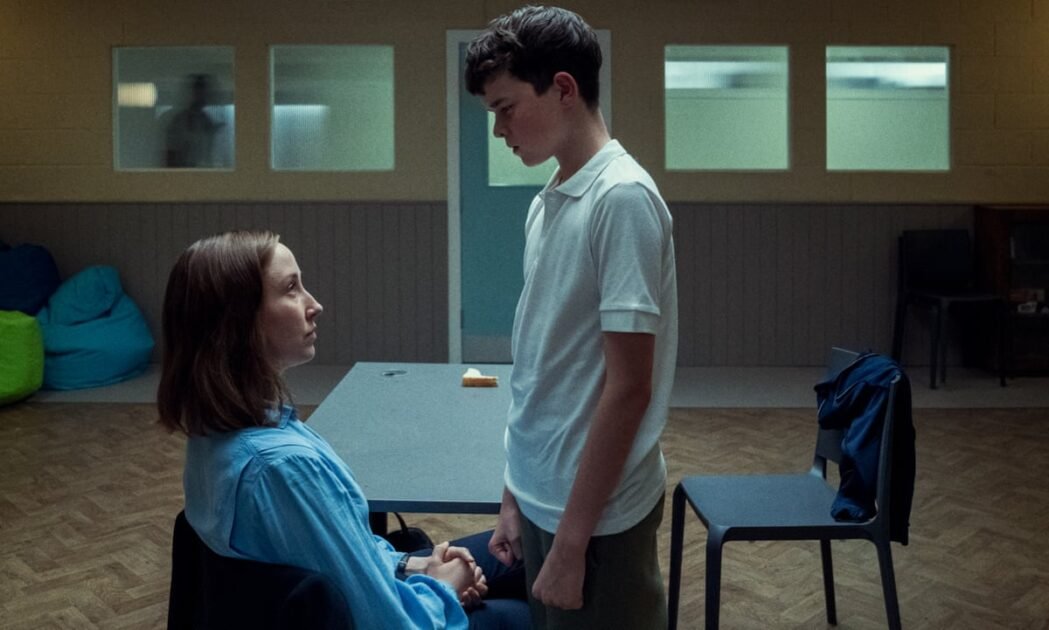
The production schedule was intense but focused. The cast rehearsed for two weeks before filming began, shooting only two takes per day. This limitation was intentional, driven by director Philip Barantini's desire to capture raw, organic tension. Doherty noted that any more than two takes would have "killed" the dangerous energy the show required. The result is a performance that feels immediate and claustrophobic, particularly in Doherty's episode, which centers on a high-stakes interview with a juvenile murder suspect.
It was the biggest ask I'd ever read for a young person. But the minute we got into the rehearsal room, Owen [Cooper] knew his lines, and he wasn't daunted or fazed by any of it.
The "one-shot" format often runs the risk of feeling gimmicky, but in Adolescence, it serves the narrative. It forces the audience to sit in the discomfort of the interrogation room, mirroring the psychological pressure felt by Doherty's character, Briony.

The Viral 'Sandwich Moment' Theory
With massive viewership comes massive scrutiny, and Adolescence was no exception. Fans of the show became obsessed with a specific detail in the finale of Doherty's episode: a cheese and pickle sandwich. In the scene, Briony offers half of her sandwich to Jamie, the accused teenager. By the end of the harrowing session, Briony is seen looking at the sandwich, now indented with Jamie's teeth marks, with visible repulsion.
Internet theorists dissected this moment for weeks, viewing it as a symbolic representation of Briony's shattered professional boundaries and her realization of the boy's potential for violence. Interestingly, Doherty revealed that this reaction was not scripted. It was a spontaneous emotional response born from the intensity of the continuous take.
"The tension had built and built. It really did something to me," Doherty confessed regarding the unscripted reaction.
While the production team didn't place "much importance on the sandwich" during filming, Doherty appreciates the audience's deep dive. It speaks to the level of engagement the show achieved, proving that viewers are paying attention to the nuances of character work rather than just plot mechanics.
From The Pitch to The Palace
Doherty's journey to acting royalty was far from preordained. Growing up in Crawley, her initial passion was football. She was a talented player, even scouted by Chelsea, before the acting bug took over completely. When asked if she regrets leaving the sport, especially in light of the England women's team's recent successes, Doherty remains pragmatic and humble.
She jokes that she would likely be "on the bench" if she had stuck with football, expressing pure joy for the cultural impact the Lionesses have had. "I know I made the right choice," she says, adding with a laugh, "I'd be knackered." This athletic discipline, however, likely informs her acting ethic. The stamina required for the long, uninterrupted takes of Adolescence parallels the focus needed on the pitch.
Her breakthrough role as Princess Anne in The Crown served as a masterclass in screen acting. Starring alongside titans like Olivia Colman and Helena Bonham Carter, Doherty admits to having impostor syndrome, often just staring at her co-stars in awe. However, 2025 has marked a shift in her confidence. Moving into leading roles in Adolescence and the upcoming California Avenue (alongside Bill Nighy), she feels more "settled" and less fearful of being fired, focusing instead on creative collaboration.

A Thousand Blows and Future Projects
Looking ahead, Doherty is set to dominate the screen again in Disney+'s A Thousand Blows. Set in Victorian London, the series casts her against type as an East End crime boss. This project not only reunited her with Stephen Graham but also allowed her to explore a darker, more physical side of her range. The show promises to be a gritty addition to the period crime genre, with Doherty's character likely to become a fan favorite.
Beyond the roles themselves, Doherty is becoming increasingly vocal about the types of stories she wants to tell. She cites a passion for "queer stories" and narratives that are "culturally present." Her involvement in Adolescence reflects this desire to engage with current societal issues. She previously starred in Closing Time, a play exploring race and class in Britain, which she admits took a toll on her mental health due to the character's unconscious bias.
This commitment to difficult, relevant storytelling sets her apart from peers who may prefer safer, more commercial vehicles. Doherty is actively seeking work that mines "complexity" and reflects the current culture.
Fighting the 'Casual Viewing' Trend
In an era where streaming services often cater to "second screen" audiences—viewers who scroll through their phones while half-watching TV—Adolescence stands as a counter-argument. The show requires full attention. Its dialogue is dense, its pacing is deliberate, and its visual language demands that the viewer look at the screen to catch micro-expressions.
Doherty is a staunch opponent of the content designed for distraction. She describes the idea of phone usage dictating creative choices as "the death of art." The massive success of Adolescence validates her faith in the audience. "People don't want to be spoon-fed," she asserts. The 150 million views suggest she is right; there is a massive appetite for challenging, intelligent drama that respects the viewer's intelligence.
As she moves into 2026 with A Thousand Blows and California Avenue, Erin Doherty is not just an Emmy winner; she is a flagbearer for quality television. She has successfully navigated the transition from breakout star to leading woman, all while ignoring her phone and trusting her instincts.