











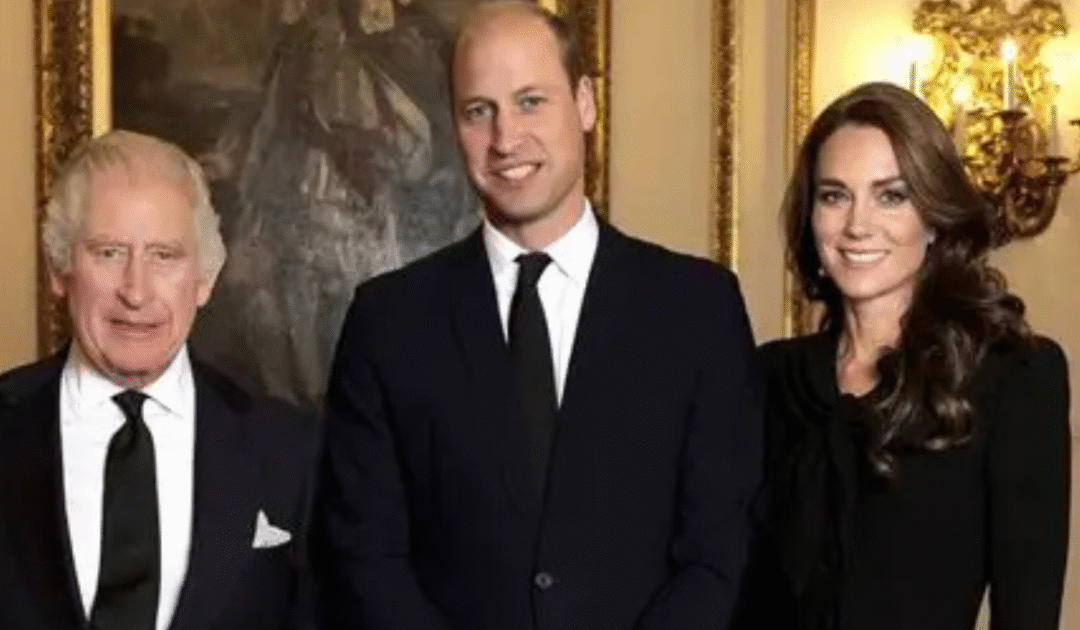

A fresh wave of internal royal tensions appears to be brewing as King Charles III’s plans for a significant agricultural development on the Sandringham estate reportedly spark concern from Prince William and Kate Middleton. This potential family dispute centers around a proposed new slurry pit, a large-scale manure storage facility, which would be located uncomfortably close to the Wales family’s cherished Norfolk residence, Anmer Hall. Simultaneously, the monarchy is navigating another sensitive issue: the strategic relocation of the disgraced Prince Andrew to the very same estate. Royal commentators, including author Andrew Lownie, suggest this move is a calculated decision designed to mitigate ongoing reputational damage. These intertwining developments cast a spotlight on the evolving dynamics within the British Royal Family, highlighting the complex challenges King Charles faces in balancing tradition, public perception, and internal harmony during his nascent reign.
The Brewing Storm Over Sandringham’s Slurry Pit
The picturesque Sandringham estate, a private residence of the British monarch located in Norfolk, has become the unexpected epicenter of a potential family disagreement. At the heart of this brewing conflict is King Charles III’s proposal for a new slurry pit, a facility designed to store an immense volume of agricultural waste. This isn’t just any farm development; the planned installation is set to house over two million gallons of manure, a scale that has immediately raised eyebrows and local concerns.
Proximity to Anmer Hall: William and Kate’s Cherished Sanctuary
What elevates this agricultural plan from a mere land management issue to a potential royal rift is its disconcerting proximity to Anmer Hall. This beautiful Georgian country house, a wedding gift from the late Queen Elizabeth II to Prince William and Kate Middleton, serves as their private family retreat in Norfolk. It’s where the Prince and Princess of Wales often seek respite from their official duties and enjoy precious family time with their children. The proposed slurry pit would stand just a mile away from this significant royal residence, creating a direct impact on the family’s rural idyll.
The scale of the proposed facility is substantial, encompassing an area measuring 86 by 46 meters, with a colossal capacity of 2,160,538 gallons of slurry. While the project awaits formal approval, the implications for the immediate environment and, crucially, for the privacy and quality of life at Anmer Hall are considerable. Local residents are already vocalizing their anxieties, articulating fears that the enormous volume of stored manure will inevitably generate a “massive stink” across the surrounding area. This sentiment, shared with The Daily Mail by a concerned neighbor, underscores the palpable apprehension within the community.
Community Outcry and Environmental Concerns
Beyond the immediate unpleasantness of odor, the plans for such a large-scale agricultural waste facility at Sandringham raise broader environmental questions. Slurry pits, if not managed meticulously, can pose risks to local ecosystems, including potential contamination of groundwater and waterways, as well as contributing to air pollution through methane emissions. For King Charles III, a monarch long celebrated for his ardent environmental advocacy and organic farming initiatives, being the landowner responsible for such a controversial proposal presents a striking irony. His public commitment to sustainable practices appears to clash sharply with this specific development, drawing scrutiny to the practical application of his green principles within his own estates.
Local political figures have also weighed in, amplifying the community’s objections. County Councillor Stuart Dark openly voiced his reservations, indicating that the proposal faces a strong possibility of rejection or approval contingent upon stringent environmental regulations. This level of local resistance, coupled with the potential impact on senior royals like Prince William and Kate, transforms a routine planning application into a matter of significant public and familial interest for the monarchy. The lack of public comment from the Prince and Princess of Wales on the matter only fuels speculation regarding their private sentiments and potential strategies to address these concerns.
Prince Andrew’s Strategic Relocation: A Practical Solution?
As the Sandringham estate grapples with one controversy, it also prepares to welcome another figure whose presence has long been a source of public debate: Prince Andrew. Following years of scandal and his formal withdrawal from royal duties, Andrew Mountbatten-Windsor is set to relocate to the Norfolk estate, leaving behind the more prominent Royal Lodge. This move, while seemingly a private family arrangement, has drawn considerable attention from royal observers.
From Royal Lodge to Sandringham: A Calculated Move
Prince Andrew’s move to Sandringham represents the latest chapter in his post-scandal existence. Stripped of his military titles and patronages, and no longer able to use the style “His Royal Highness” in an official capacity due to his association with convicted sex offender Jeffrey Epstein, his public life has been significantly curtailed. His departure from Royal Lodge, a larger, more prominent residence within the Windsor estate, signals a further step back from the royal limelight and a consolidation of his living arrangements under the direct oversight of the King.
Royal author Andrew Lownie has offered a candid interpretation of this relocation, describing it as a “practical solution” to a long-standing and sensitive problem. Lownie suggests that after years of the Epstein scandal casting a shadow over the monarchy, securing Prince Andrew’s departure from Royal Lodge required significant negotiation. His assessment implies that the move to Sandringham is less about Andrew’s personal preference and more about a strategic decision by King Charles to manage his brother’s presence within the royal sphere discreetly.
Financial Implications and Crisis Aversion
Lownie’s analysis delves into the financial intricacies of the move, noting that Prince Andrew likely had to be compensated substantially to relinquish his lease on Royal Lodge. Crucially, Lownie emphasizes that this financial arrangement does not involve taxpayer money. Instead, it is King Charles’s personal decision and expense, a detail that aims to reassure a public often wary of royal spending. This element is vital for managing public perception, as any hint of public funds being used to facilitate Prince Andrew’s arrangements would undoubtedly ignite further criticism.
According to Lownie, the King’s decision to facilitate this move, despite its cost, has effectively “prevented a big crisis” for the Royal Family. By securing Andrew’s relocation and doing so without burdening the public purse, King Charles has seemingly averted a more significant public relations nightmare. This perspective suggests that the monarchy views this arrangement as a necessary, albeit costly, measure to maintain stability and prevent ongoing distractions related to Prince Andrew’s past. The strategic placement within the Sandringham estate, away from the immediate glare of Windsor, is perceived as a pragmatic step to de-escalate potential public scrutiny and allow the institution to focus on its core duties.
What These Developments Mean for the Monarchy’s Future
The concurrent unfolding of the Sandringham slurry pit controversy and Prince Andrew’s relocation to the same estate highlights the multifaceted challenges confronting the British monarchy under King Charles III. These events underscore the delicate balance the King must strike between managing his private estates, navigating complex family dynamics, and upholding the public image of the Crown. The proposed slurry pit, positioned so close to William and Kate’s family home, risks creating an uncomfortable fissure within the core of the Royal Family, potentially forcing William to confront his father publicly or privately over environmental and lifestyle concerns.
Meanwhile, Prince Andrew’s continued presence, albeit in a more subdued capacity on a private estate, serves as a constant reminder of past scandals that have tested the monarchy’s resilience. King Charles’s handling of both situations reveals a monarch keen to exert control and mitigate potential damage, often with significant personal cost or familial implication. These incidents, while seemingly disparate, collectively illustrate the immense pressure on the King to modernize the monarchy while simultaneously safeguarding its traditions and public standing. As these narratives continue to evolve, they will undoubtedly shape public perception of the Royal Family’s leadership and its ability to adapt to contemporary challenges, cementing the critical role of transparency and careful decision-making in the years ahead.