















Major Cast Changes Stir Mixed Reactions
When news broke that Tracker would lose half of its main cast, fans voiced concern about the show’s future. The departures of Eric Graise and Abby McEnany, who played Bobby and Velma, sparked debate about whether the series could thrive without two of its most distinctive characters. Both contributed significantly to the show’s diversity and representation, making their exits feel like a risky creative decision.
Yet, despite the backlash, these changes could ultimately streamline the storytelling and refocus Tracker on its strongest elements as it heads into Season 3.
Why Velma and Bobby’s Departures May Help the Story
Although Velma and Bobby played important roles early on, their presence in Season 2 was already diminished. Velma’s interactions became limited after Teddi’s exit, leaving her with fewer characters to play off. Meanwhile, Colter increasingly took on cases without needing her assistance in tracking them down.
Bobby’s role suffered from even greater neglect. He was absent for a large portion of Season 2, with no real explanation offered until later. When he did return, his skills felt redundant thanks to Randy, who already filled the hacker role. In mystery-driven shows, multiple characters serving the same function often create narrative clutter rather than depth.
Episodes like “The Mercy Seat” illustrated this imbalance clearly. Colter already had his mission in motion, and the writers manufactured a subplot involving emergency services just to give the ensemble something to do. The storyline ended up having no real impact, underscoring how forced some of these secondary character arcs had become.
By paring down the cast, Tracker may eliminate these narrative detours, allowing the story to focus more directly on Colter’s journey.
Tracker’s Shift Toward a Solo-Protagonist Format
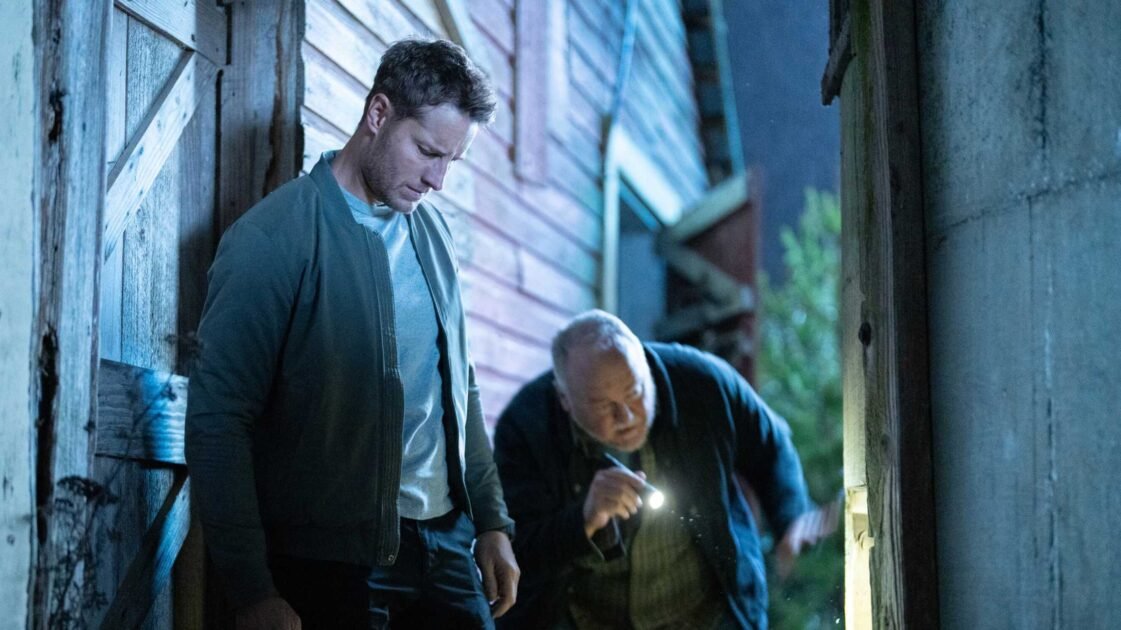
Tracker has always been built around Justin Hartley’s Colter Shaw, a lone tracker who moves from case to case. In many ways, the series naturally mirrors shows like Columbo or Poker Face, where a single protagonist carries the story with limited recurring support.
Season 2 already leaned heavily in this direction. Velma and Bobby appeared sporadically, while the overarching plots focused more on Colter himself and, to a lesser degree, Gina Picket’s disappearance and Reenie’s work with Leonard Sharf. Even major events like Teddi’s departure were not fully developed into storylines for Velma, making her presence feel increasingly unnecessary.
Bobby’s long unexplained absence, later brushed off as simple grief, was a missed opportunity to connect his character to larger conspiracies within the story. Instead, it highlighted the show’s ongoing difficulty in balancing Colter’s role with that of his ensemble.
Given these struggles, the decision to scale back secondary characters makes narrative sense. Season 3 can now lean more fully into its identity as a case-of-the-week series centered squarely on Colter.
Addressing the Loss of Representation
While the storytelling may benefit from a streamlined cast, the loss of Bobby and Velma raises valid concerns about representation. Bobby, portrayed by a real-life amputee, reflected disability representation rarely seen on network television. Velma, played by Abby McEnany, offered visibility for middle-aged lesbian women, adding both diversity and authenticity to the cast.
Their absence creates a noticeable gap, particularly in a series where Colter often interacts with clients from a range of backgrounds. Some episodes in Season 2 already lacked diversity, and without Bobby and Velma, that issue risks becoming even more pronounced.
For Tracker to maintain its broad appeal, Season 3 must address this concern. One way forward is to follow the model of shows like Found, which weave diversity into their weekly guest stars. Since Colter encounters different people in each case, the series has ample opportunity to reflect a wider variety of voices and experiences without relying solely on a permanent ensemble.
Balancing Focus and Diversity in Season 3
As Tracker enters its third season, it faces the challenge of balancing streamlined storytelling with meaningful representation. Removing Velma and Bobby clears the way for tighter plots centered on Colter, but the show cannot afford to sideline diversity entirely.
By expanding the backgrounds, identities, and perspectives of its weekly guest characters, Tracker can maintain its inclusivity while avoiding the narrative pitfalls that weighed down Season 2. This approach not only enriches the stories but also honors the legacy of the characters fans are sad to lose.
The Future of Tracker
Despite concerns, Tracker remains one of CBS’s top performers. Season 3 has the chance to refine the series’ identity by focusing more on Colter’s cases while weaving diversity into each new storyline. If handled well, the cast shake-up could transform a risky situation into an opportunity for growth.
While fans will miss Bobby and Velma, their exits may ultimately allow Tracker to sharpen its storytelling, maintain its momentum, and build an even stronger connection with its audience.